Our Shared Agreement Foundation 2: Understanding what matters to ourselves and each other
Strong relationships begin with listening. Not just hearing words, but taking the time to understand people’s values, experiences, and what matters most in their lives.
This foundation recognises that better relationships - and better care - grow from mutual understanding, respect, and shared decision-making.
This means that together we:
Offer a safe non-judgemental environment for you to be open and honest and to be ourselves
Relationships thrive when people feel able to talk openly and honestly, and feel respected.
Embrace and value differences and implement this in a person-centred way
We recognise that everyone’s experiences, priorities, and perspectives are different, and those differences should shape how we work together.
Make no decisions about you without you
Strong relationships are built on a genuinely shared approach. We work in partnership so that decisions are made with people, not for them.
Moving forward together
Foundation 2 invites all of us - people, communities, and health and care staff - to:
- Listen more deeply
- Stay curious about each other
- Build shared understanding over time
When we take time to understand what truly matters:
- care becomes more personal and meaningful
- trust between people and professionals grows
- people feel seen, heard, and respected
And importantly, this leads to stronger relationships and better outcomes, because support is shaped around real lives, not assumptions.

Bringing Foundation 2 to life in Lincolnshire: Fran's story
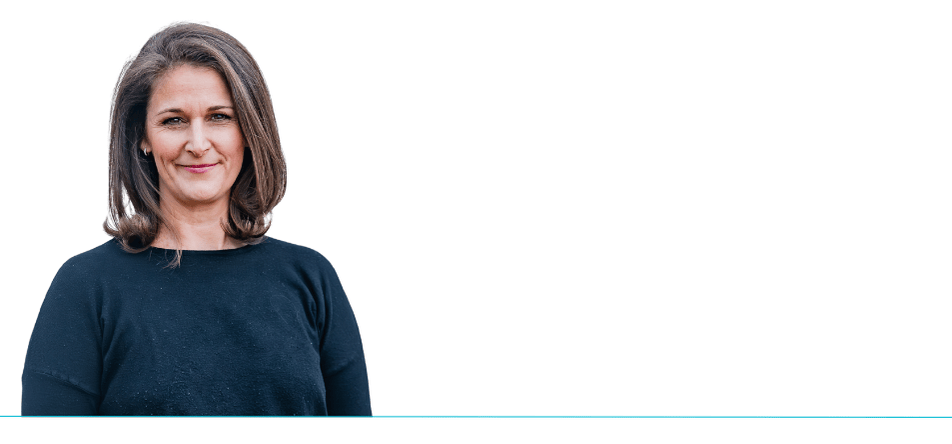
"I’m a 48-year-old mum to two teenage boys who are the most important people in my life and have been my rock over the last couple of years.
I left the army five years ago following an injury to my back, and have struggled with PTSD, anxiety, and depression, which contributed to my recent separation from my partner.
I love to travel, socialise with family and friends, spend time with my boys, and keep active.
However, I have been unable to work due to a dip in my mental health and my back pain, which impacted what I could do on day-to-day basis, the relationship with my boys and my wider social network.
I felt disconnected and lonely and was regularly contacting my GP practice for support and advice.
I was prescribed painkillers that made me feel drowsy and tired.
How being asked 'What matters to you?' made all the difference
I was referred to a Social Prescribing Link Worker, Charlie, who was the first person in a long time to ask me "What matters to you?" and "What’s the change you want to feel?"
Together we sat down over a few weeks and worked through my Personalised Care and Support plan, which enabled me to explore all aspects of my life and to really understand what mattered to me.
I realised that the most important things for me were the relationship with my boys, finding a job, and reducing the tablets I was on - plus having a plan in place for times when my mental health might deteriorate.
Six months later, I’m now working as a project manager for a local business, I regularly attend the Pain Café, and have met new friends who are managing similar conditions. The support I get from these new friends is just so valuable.
I feel much happier and have reconnected with my boys - and we’re planning a trip to France in the summer.
Having the time to talk, with someone who was there to listen, for me to think and plan and record what was important to me, gave me the confidence to take the steps I needed to to achieve my goals."
What Fran's story shows us
Understanding what mattered to Fran didn't take place during a one-off conversation - it happened through a sustained relationship with her Social Prescribing Link Worker taking place over a few weeks.
When we get this kind of relationship right:
- people feel valued as equal partners
- relationships become more open, honest, and effective
- professionals are better placed to offer support that truly fits


